Popeyes launched its first anime collaboration on April 13, 2026, with a limited-time menu built around One Piece.
The partnership aligned Louisiana soul food heritage with the shonen series emphasis on rebellion, freedom, and crew-sized feasts.
This produced visible demand at counters and immediate resale activity online.
Lines formed quickly at select stores, and the collectible packaging extended the experience beyond the meal itself.
The execution converted global digital fandom into observable physical retail visits with minimal additional paid media.
Why Did Popeyes Collaborate With One Piece?
One Piece centers on pirate crews that pursue freedom through shared risks and oversized meals.
Popeyes built its identity on bold flavors that deliver excess without restraint. The collab mapped these directly into the menu.
Luffy’s appetite translated into generous chicken portions that echo the series crew banquets.
Fans engaged with a tangible version of the Straw Hat spirit rather than generic themed food. This overlap, combined with scarcity and novelty, drove basket composition at the point of sale.
It turned a routine transaction into something that felt connected to the story world fans already follow.
Popeyes positioned the partnership around adventure and loyalty, which matched both its core identity and the series central themes.
What Items Are in the Popeyes One Piece Menu?
The menu moved from standard combos to themed provisions that reflected the series focus on provisioning for adventures.
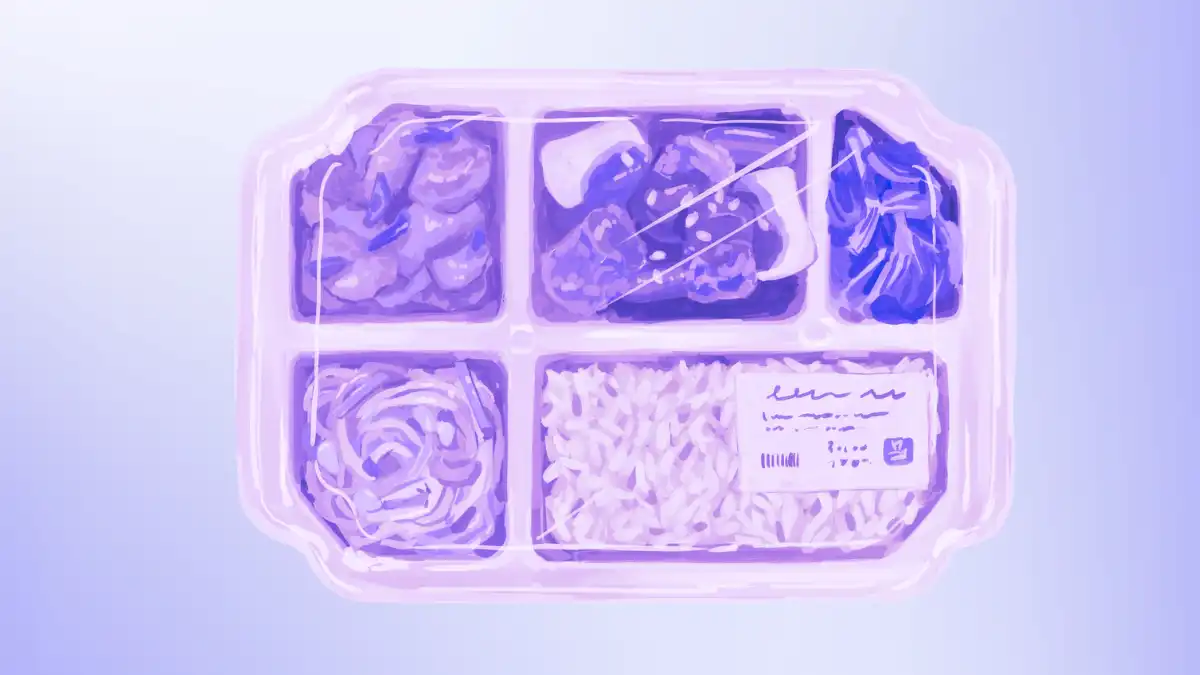
The Luffy Bento Box at $7.99 includes two pieces of signature chicken and mac and cheese, packaged in custom, compartmentalized packaging that mirrors the bento structure while staying true to Popeyes’ soul-food roots.
The $13.99 Luffy Bento Bundle adds Gum-Gum Fruit Lemonade and Chopper’s Cupcake to complete the progression from basic meal to full add-ons.
This structure echoes the series emphasis on rewards that follow risk and celebration that follows victory.
Packaging delivered visual cues the moment the order arrived. The design made the product feel integrated rather than promotional.
Menu Structure Comparison
| Component | Standard Combo | Themed Bento Provision | Observed Effect |
| Core Protein | 2pc chicken | 2pc chicken in Luffy-themed box | Ties to crew provisioning style |
| Side Integration | Separate mac and cheese | Compartmentalized within bento | Supports shared meal feel |
| Add-on Elements | Optional drink or dessert | Fixed Gum-Gum Lemonade + Chopper Cupcake | Completes the experience |
| Price Point | Variable baseline | $7.99 box / $13.99 bundle | Bundling supports higher ticket value |
(Source: Popeyes official press release via PR Newswire, April 13, 2026, and coverage in USA Today)
From market signal to strategic direction.
I help teams translate scattered market evidence into positioning, growth, competitor, and decision-making clarity.
Why the Popeyes One Piece Collab Is So Popular
The primary power came from bridging One Piece’s global digital reach with Popeyes physical retail network.
The series has surpassed 600 million manga sales worldwide and maintains strong ongoing anime visibility.
Popeyes operates thousands of locations across the US and Canada. The collab turned that digital equity into immediate offline consumption through limited physical drops.
Fans who interact with the story through screens are now queued for tangible items at counters. This arbitrage bypassed digital ad fatigue and delivered direct traffic that broad campaigns rarely match at the same efficiency.
The model concentrated demand at six flagship stores on launch day, offering free collectible bento boxes to the first buyers of the $13.99 bundle.
This created organic social proof that spread nationwide, demonstrating how QSR chains can scale IP partnerships more effectively than digital-first brands.
Unlike broader entertainment collabs that stay in virtual spaces, this execution forced real-world visits and repeat potential through menu availability that runs into May.
IP Licensing as a Procurement Edge
The direct deal with Toei Animation secured a built-in fandom reach at a contained cost. Surgical licensing avoided talent fees and heavy media buys while delivering narrative consistency.
The approach produced earned visibility that amplified the physical drops without a proportional increase in ad spend.
In a period of comparable sales pressure, this model generated in-store activity through cultural fit rather than volume-based promotion.
Where Is the Popeyes One Piece Menu Available?
The timing aligned the Japanese IP momentum with Popeyes established North American supply for chicken, sides, and beverages.
Packaging met collectible standards without disrupting operations. The rollout maintained service levels even as demand concentrated at participating stores on April 13.
Social reports noted rapid line formation, yet execution held under the surge.
The Collectible Packaging Loop
Limited free bento boxes at six locations on launch day created immediate scarcity, driving queues and user-generated content.
The packaging served as the physical hook that extended into photography and online sharing. Merchandise dropped online on April 15, channeling fan energy into additional owned channels.
This loop captured authentic engagement signals that standard promotions rarely accelerate in the same timeframe.
Who Is the Popeyes One Piece Collab For?
One Piece fans span a broad age range, with strong loyalty among 25- to 44-year-olds who already drive significant QSR volume.
This demographic values bold flavors and consistent storytelling, which aligns with Popeyes positioning.
The collab captured this group through thematic consistency rather than generic youth appeals.
Social activity around the launch showed high-intent visits from dedicated fans rather than casual browsers, revealing an unexpected efficiency in targeting long-running series audiences who treat cultural touchpoints as ongoing commitments.
Why People Are Reselling Popeyes One Piece Items
Resale activity on the limited bento boxes provides the clearest durability metric.
The collectibles, free with the bundle at the six locations, appeared on eBay within hours of launch.
Early listings commanded premiums over the meal cost, with activity driven by dedicated collectors seeking physical canon items and opportunistic flippers capitalizing on the first-day scarcity.
This secondary market functions as real-time validation that the cultural embedding produced equity that outlasts the promotional window. It signals attachment that generic drops rarely sustain.
Secondary Market Signals (as of April 14)
| Item | Retail Context | Observed Early Resale Activity | Insight |
| Limited Bento Box (free with bundle) | First 200-ish buyers at 6 stores | Listings on eBay within hours | Premium tied to physical scarcity |
| Standard Themed Packaging | Nationwide menu item | Lower but present secondary interest | Confirms value linked to limited drops |
(Source: eBay listings and social reports, April 13–14 2026)
How This Collab Drives Sales and Social Media Buzz
Traditional models miss the full value chain that starts in the restaurant queue and moves to TikTok and Instagram.
Physical consumption generates user-created content that spreads without trackable digital origins.
Last-click systems undervalue the in-store starting point and over-credit downstream platforms.
This collab makes that blind spot visible: cultural resonance and scarcity together produced traffic and content that attribution cannot fully trace back to the restaurant experience.
How Popeyes Promoted the One Piece Collab
Narrative alignment with One Piece generated visible queues and social sharing that mass-reach campaigns rarely replicate at equivalent cost.
The execution produced crowds at select stores without heavy media investment. It demonstrates that precise cultural fit creates immediate demand signals where broad awareness tactics deliver only temporary lift.
The Flavor Lore Execution
Items received marketing treatment tied to character traits. The Gum-Gum Fruit Lemonade and Chopper’s Cupcake linked sensory experience directly to the series world.
This approach reinforced taste memory through story consistency and elevated the meal from a transaction to a connection.
Operational Execution at Scale
The launch tested operations at the six giveaway locations. Concentrated demand from first-come lines created pressure, yet social videos indicate staff managed the surge through themed execution.
This suggests the novelty reduced typical promotional friction internally while delivering the visible chaos that amplified reach.
The FOMO Mechanics in Limited Drops
Restricting free bento boxes to the first buyers at six stores created urgency, accelerating transactions on launch day.
This scarcity tactic generated the queues and social proof that drove visibility.
While effective for short-term demand, it risks training consumers to chase manufactured drops rather than build ongoing affinity with the brand.
Will Popeyes Do More Anime Collaborations in the Future?
Niche surgical partnerships that map narrative values with precision will displace broad celebrity endorsements by 2027.
Brands gain lower-cost traffic and higher retention when licensing operates as cultural translation tied to physical distribution.
Popeyes demonstrated the system here: the arbitrage between global anime reach and local QSR locations produced queues and resale signals that traditional spend struggles to match.
The execution exposed how resonance scales where generic licensing stalls. Yet over-reliance on limited drops and the attribution gaps remain vulnerabilities.
Future plays must balance FOMO with sustained menu integration, or risk turning authenticity into expected-scarcity theater.
For Popeyes specifically, this drop offsets recent sales pressure by converting digital fandom into in-store velocity.
CMOs who treat licensing as a procurement strategy will capture a durable contribution. Those who chase the next viral moment without the same forensic alignment will find volume that fades the moment the lines disperse.
The Popeyes One Piece execution stands as proof that cultural precision works in practice. It also warns that the details of scarcity and measurement will decide whether the system compounds into lasting equity or collapses back into hype.