Enterprise AI market signals are getting louder. Strategy is getting weaker.
IVVORA analyzes enterprise AI market signals across platform competition, workflow automation, infrastructure demand, vendor trust, data control, and AI governance.
NEW ON IVVORA
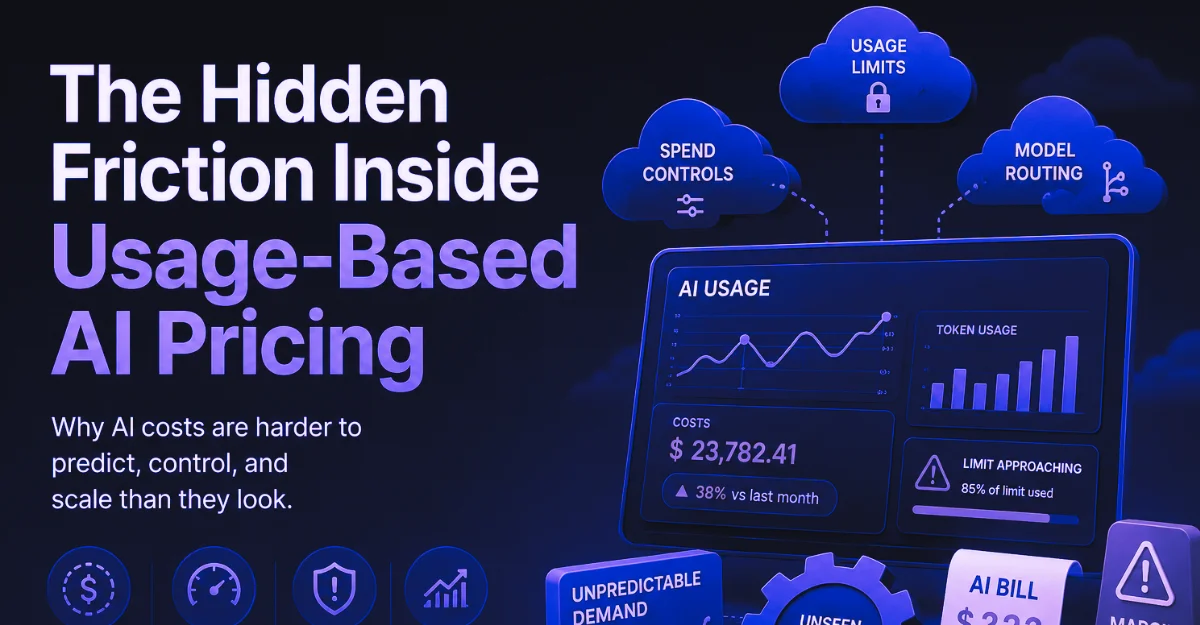
The Hidden Friction Inside Usage-Based AI Pricing
Market Signal AI providers are moving usage-based access into a governed pricing phase OpenAI’s June 18, 2026, launch of credit usage analytics and updated spend controls for ChatGPT Enterprise, combined…
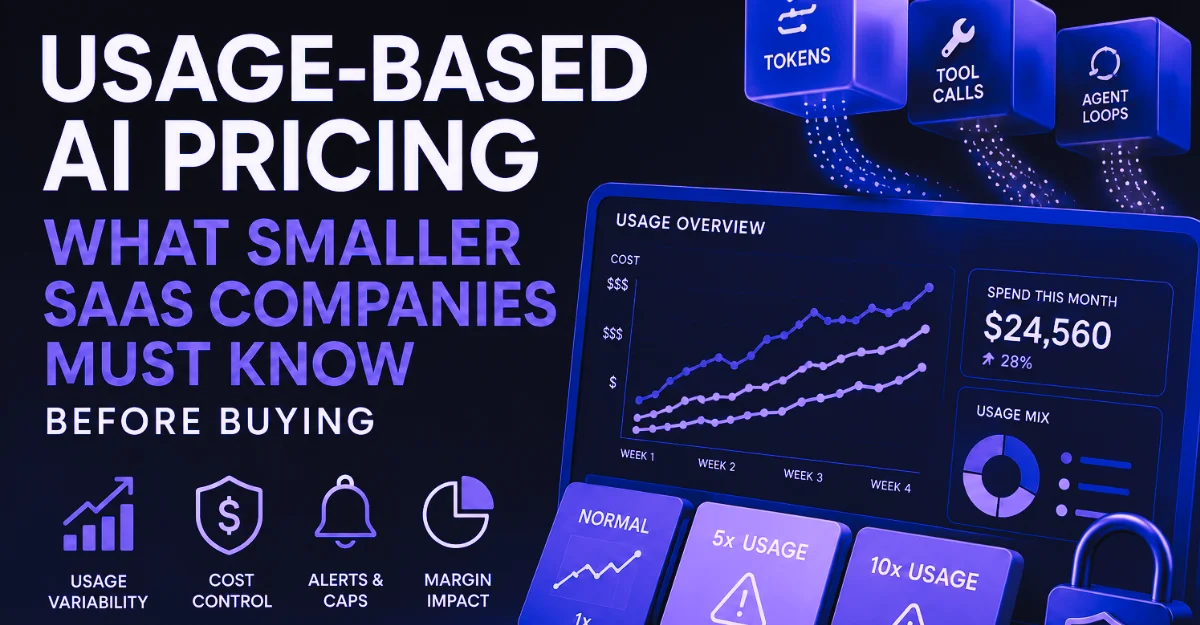
How Usage-Based Pricing Changes the Buyer Decision Process
What Is Usage-Based AI Pricing and Why Does It Matter? Buyer Decision Shift Usage-based AI pricing turns software evaluation into cost-governance review Buyers no longer evaluate only whether an AI…
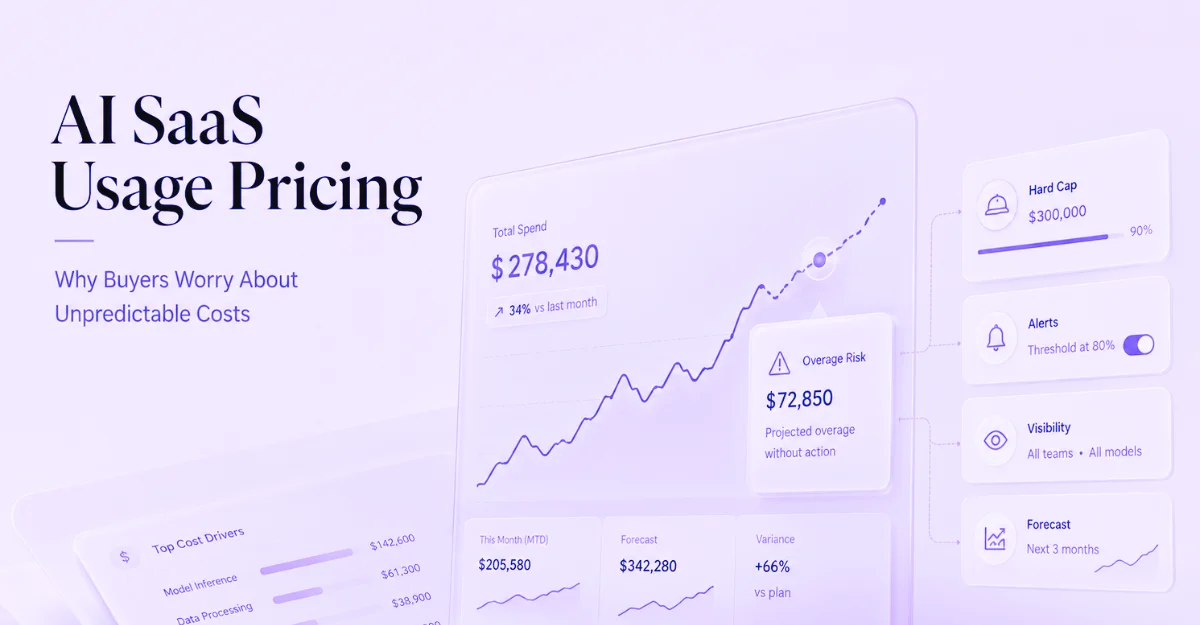
Why AI SaaS Buyers Worry About Unpredictable Usage Costs
Overview of the AI SaaS Usage Pricing Problem IVVORA Research AI SaaS usage pricing is not just a pricing issue. It is a buyer-control issue. This report analyzes why AI…
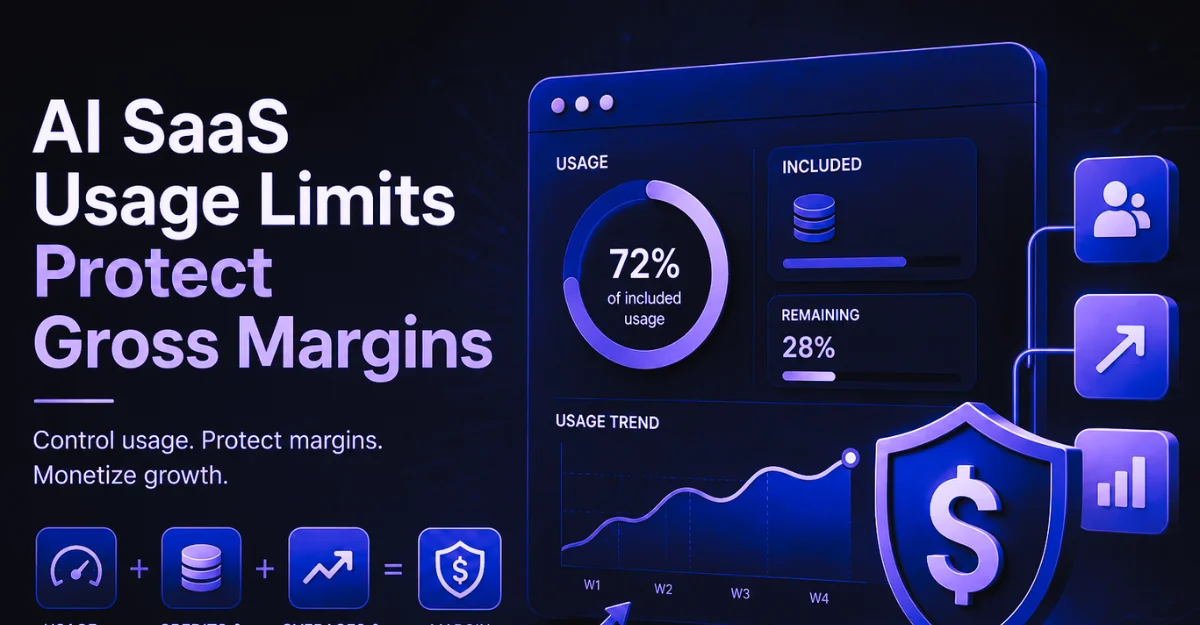
How AI SaaS Usage Limits Protect Gross Margins
Margin control Why AI SaaS Usage Limits Matter Usage limits are not only a customer-facing pricing detail. In AI SaaS, they define how much variable consumption the business can support…
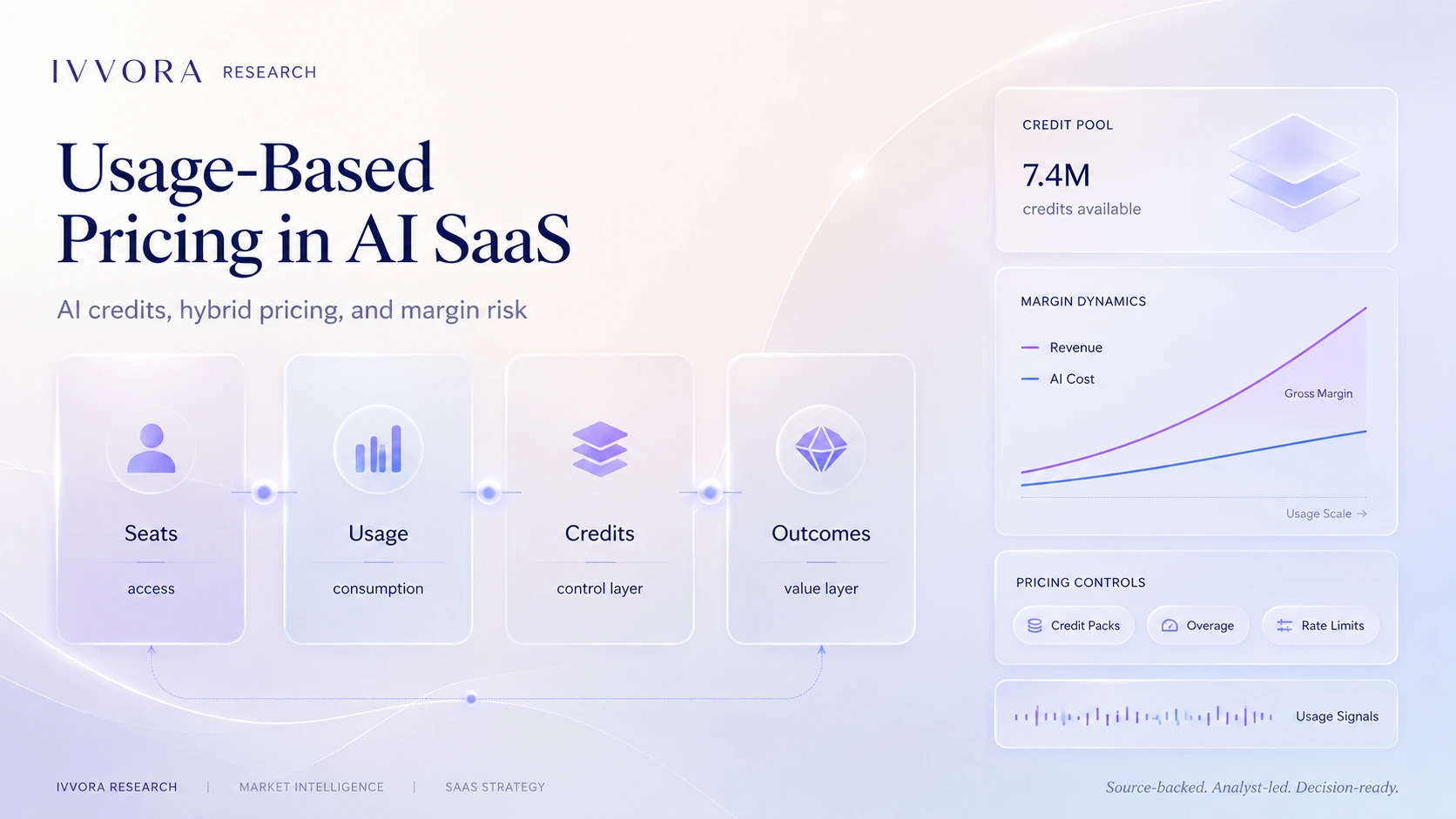
Why Usage-Based Pricing Is Becoming Common in AI SaaS
What Is Usage-Based Pricing in AI SaaS? AI SaaS pricing shift Usage-based and hybrid pricing is becoming common in AI SaaS because AI features create real costs every time they…
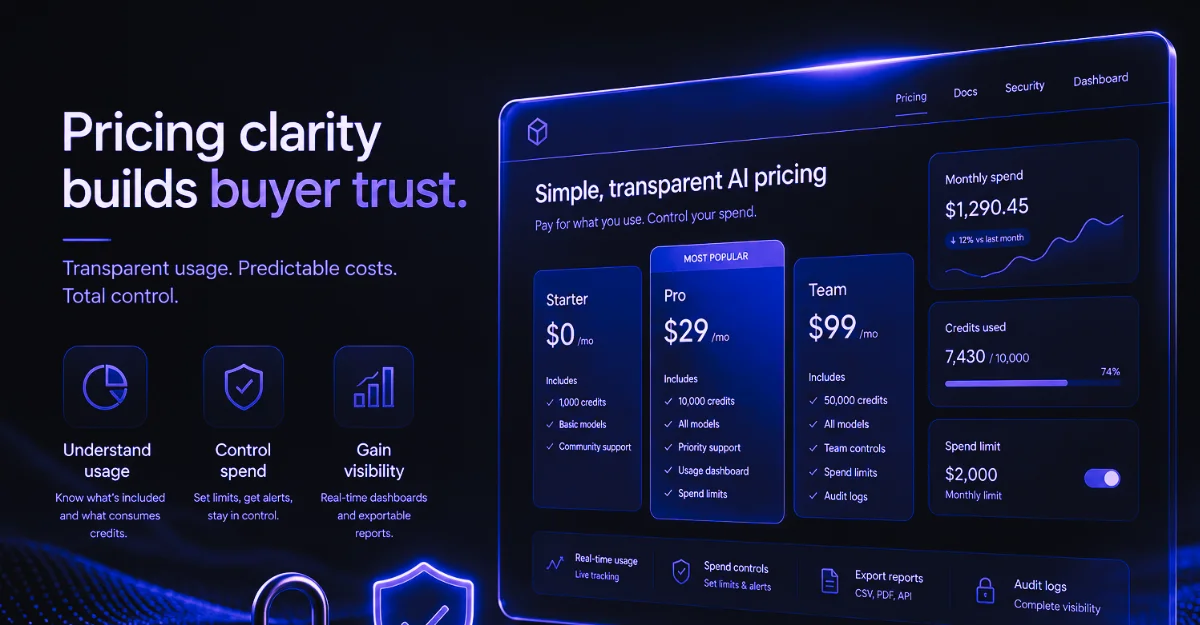
How AI SaaS Pricing Pages Build Buyer Trust Before a Demo
Market Signal AI pricing pages are becoming the first buyer trust test Cursor’s June 2025 pricing overhaul on its Pro plan matters because it demonstrates how an AI product’s pricing…