Inside this article
What Are Firecracker Pop Oreos?
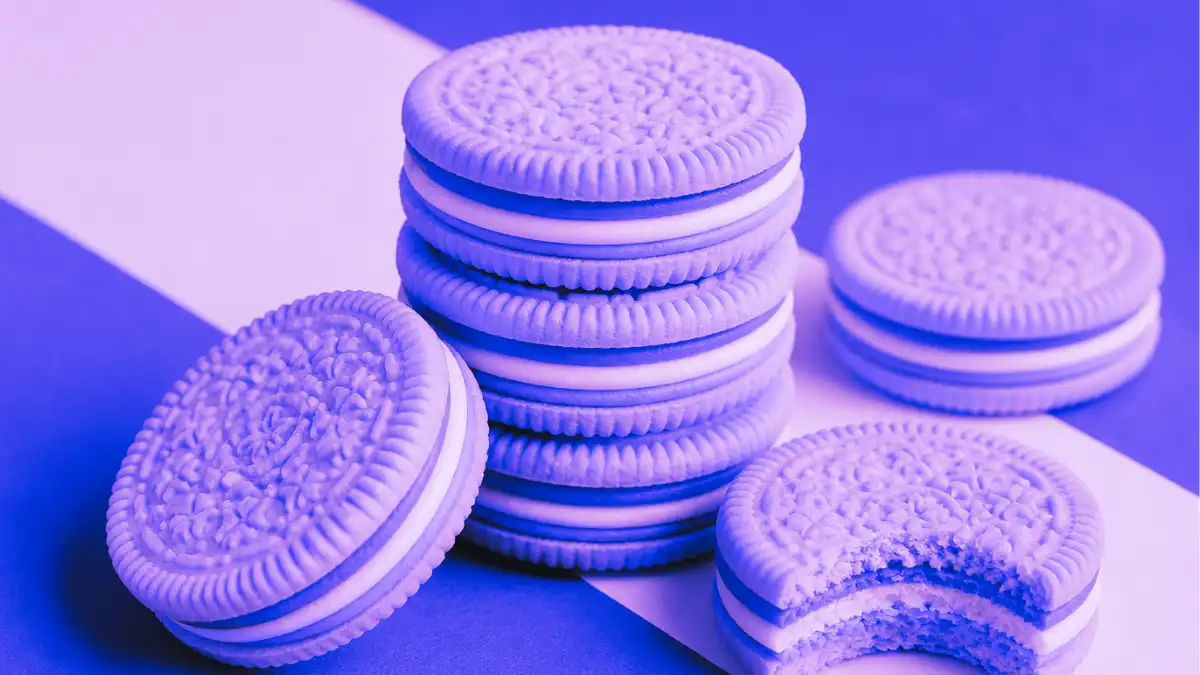
Oreo is launching Firecracker Pop Oreos as its latest limited-edition flavor, with the product arriving in stores nationwide on May 4, 2026.
The launch shows why Oreo keeps releasing limited-edition flavors: the brand uses novelty to make a familiar cookie feel new again.
Oreo already has broad consumer awareness in a mature cookie category. The harder challenge is not getting people to recognize the brand.
It is giving shoppers a fresh reason to notice it, try it, discuss it, and return to the Oreo aisle.
Firecracker Pop Oreos follow that playbook. The limited run features Golden Oreo wafers with blue raspberry, lemon, and cherry creme inspired by the classic red, white, and blue summer popsicle.
The flavor gives Oreo a seasonal hook, a nostalgia trigger, and a reason to reappear in retail displays and social media conversations.
This is the real function of Oreo’s limited-edition strategy. The company is not replacing the core cookie.
It is building recurring attention cycles around it. Mondelēz’s 2025 reporting shows the scale of the portfolio Oreo sits inside, with approximately $38.5 billion in net revenues.
More importantly, Oreo’s U.S. household penetration stands at about 50%, which means growth depends less on basic awareness and more on reactivation, basket movement, and repeat attention.
Retailers also have a reason to support these launches. Limited editions can create fresh merchandising moments around snacks, party foods, and seasonal buying occasions.
The intended effect is not only the trial of the new flavor. It is a renewed movement around the broader Oreo range.
Why Do People Buy Limited-Edition Oreos?
Limited editions lower the psychological cost of trial. Firecracker Pop Oreos carry no expectation of permanence. Consumers evaluate the purchase through a temporary lens.
The decision simplifies to whether the flavor feels worth testing before it disappears.
This shift matters because hesitation in mature categories often stems from decision fatigue around familiar staples.
Shoppers already know the classic Oreo tastes reliable. The limited window changes the buying logic from long-term commitment to short-term trial. Brand trust reduces perceived risk.
Consumers assume the product meets minimum quality standards even if the flavor combination sounds experimental.
Do Limited-Edition Oreos Attract New or Lapsed Customers?
Data from Mondelēz shopper marketing supports the acquisition effect. 28% of limited-edition Oreo buyers do not purchase regular Oreos through the same channel.
For certain launches, 15 to 17 % of buyers had not purchased any Oreo product in grocery stores for more than two years (Source: Modern Retail, “Inside Oreo’s limited-edition product strategy”). These figures show the mechanism at work.
The novelty draws in lapsed or peripheral buyers who would otherwise ignore the core range. Urgency compounds the effect. Availability lasts only a few weeks, which accelerates purchase timing.
Social media amplifies the signal when early buyers post unboxing or taste-test content. Consumers do not post classic Oreos because the product is too familiar.
They post limited-edition Oreos because the product gives them a reaction object. It can be tasted, ranked, judged, photographed, mocked, defended, and shared.
The resulting visibility enables free distribution, extending reach beyond paid media.
Why Are Limited-Edition Oreos Easy to Try?
The Firecracker Pop formulation itself demonstrates the calculated risk reduction. Three distinct cremes layered in one cookie deliver a multi-sensory experience without requiring consumers to abandon the familiar sandwich format.
The golden wafer signals a slight departure from the standard chocolate version, yet it remains recognizably Oreo.
This balance keeps the trial threshold low while still delivering the novelty hit that justifies the purchase.
How Do Firecracker Pop Oreos Use Nostalgia to Increase Sales?
Emotional Shortcuts Through Flavor Naming
Firecracker Pop Oreos are built to work because the flavor name activates an immediate emotional shortcut.
The product connects directly to the sensory memory of summer popsicles, backyard barbecues, and Fourth of July celebrations. Consumers do not need an extensive explanation. The name alone signals the intended feeling.
This attachment strategy appears consistently across Oreo’s limited-edition calendar. Birthday Cake, Pumpkin Spice, and Peppermint Bark each borrow emotional equity from established cultural moments.
The limited edition does not create the memory from scratch.
It borrows demand that already exists in consumers’ minds and redirects it toward the Oreo brand.
Seasonal Timing and Visual Nostalgia
Seasonal timing sharpens the trigger. Firecracker Pop arrives just as warmer weather begins and families plan outdoor gatherings.
The red, white, and blue creme makes the nostalgia visible before the cookie is even tasted. The launch is built for impulse trial, seasonal display, and social sharing.
How Do Limited-Edition Oreos Appeal to Both Adults and Kids?
The nostalgia layer operates on two levels at once. It reactivates personal childhood associations for adult buyers.
It creates a shareable moment for parents as they introduce the flavor to their own children. That gives Oreo relevance to both parents and children, without changing the core cookie.
Retail displays capitalize on the same trigger. End caps often feature summer-themed signage that groups Firecracker Pop with other seasonal items. The visual clustering strengthens the emotional connection and increases basket size across the category.
How Do Limited-Edition Flavors Help Oreo Stay Popular?
The hidden operating system at Oreo centers on repeat attention rather than continuous flavor innovation.
The core cookie formula remains stable because consistency protects brand equity and manufacturing efficiency. Limited editions introduce controlled movement around that stable core.
This balance creates a self-reinforcing cycle. The limited edition is temporary. The attention system is permanent.
Each launch generates new shelf visibility, social reactions, retail displays, press coverage, and taste-test content.
These elements combine to create fresh reasons for repeat buyers to return to the category. Mondelēz executives have noted the incremental lift effect in earnings discussions.
Oreo continues to deliver share gains in the U.S. through the limited-edition playbook.
What Is Oreo’s Strategy Behind Limited-Edition Flavors?
The system works because novelty creates movement without forcing structural changes to the core product architecture. It never asks consumers to relearn what Oreo is.
The point is simple: Oreo does not need the limited edition to become the new default. It only needs the launch to restart attention around the brand.
Why Limited-Edition Oreos Increase Attention and Sales
| Component | What It Does | Why Oreo Benefits |
| Novelty | Makes a familiar product noticeable again | Restarts attention |
| Nostalgia | Gives the flavor instant meaning | Reduces explanation cost |
| Scarcity | Compresses the buying window | Speeds up trial |
| Brand trust | Lowers perceived risk | Makes experimentation safer |
| Seasonality | Connects the launch to a cultural moment | Improves timing |
| Social reaction | Turns buyers into reviewers | Expands unpaid reach |
Why Oreo’s Limited-Edition Flavor Strategy Works
Senior marketers should view Oreo’s limited-edition strategy with clear eyes. This is not deep product innovation. It is attention innovation and the reinvention of the buying moment.
Oreo does not need Firecracker Pop to become a permanent flavor. It needs Firecracker Pop to make Oreo temporarily unavoidable.
Mondelēz does not have to reinvent Oreo’s core architecture to create renewed shelf visibility, social buzz, and repeat traffic. Retail partners receive a traffic lift.
Consumers receive low-risk novelty that feels exciting without demanding loyalty shifts.
The brand itself avoids the danger of true reinvention that could dilute equity.
This model reveals a broader truth for mature consumer packaged goods. When category growth slows and core products stabilize, attention becomes the scarcest resource.
Limited editions solve for that scarcity by turning nostalgia, urgency, and social proof into a repeatable demand engine.
The system works precisely because it never challenges the core product. It simply refreshes the reasons to notice it.
CMOs in similar positions should study the mechanics rather than copy the flavors. The power comes from the operating system that balances stability with controlled novelty.
Firecracker Pop Oreos do not represent a bold flavor gamble.
They represent the latest data point in a long-running strategy that keeps a legacy brand culturally visible while protecting the profit engine underneath.
The cookie does not change. The conversation around it does, on schedule and by design.